


Growing Strong Minds: Supporting social and emotional learning from before birth through adolescence
Welcome to Growing Strong Minds, your dedicated partner in fostering social and emotional intelligence in children from the earliest stages of life through their adolescent years. Based in Seabrook, Texas, we believe that strong social-emotional foundations are key to lifelong well-being and success.
Social-emotional learning (SEL) helps children develop the skills needed to understand emotions, build healthy relationships, make responsible decisions, and manage challenges. Educators play a critical role in supporting these skills in the classroom while partnering with families to reinforce them at home. This website provides an overview of social and emotional development, classroom strategies, and family resources across three important developmental stages.
My philosophy aligns with the belief that children learn best through supportive relationships and meaningful social interactions. By fostering a classroom community built on trust, collaboration, and respect, educators help students develop both academically and socially.
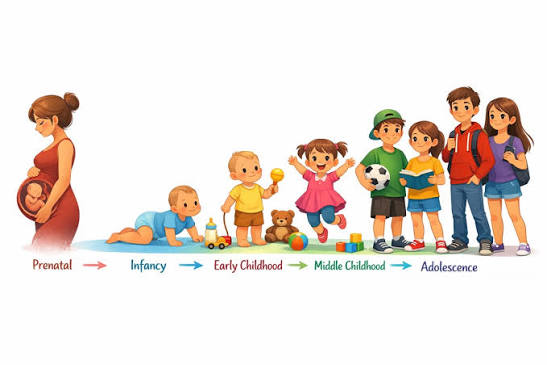
Why social and emotional learning matters
The Impact of Prenatal Development and Early Childhood Experiences
Social and emotional development begins long before a child enters school. Healthy prenatal development—including proper nutrition, regular medical care, and reduced exposure to stress, alcohol, drugs, and environmental toxins—supports healthy brain development. Chronic maternal stress during pregnancy can influence a child's stress response system and emotional regulation later in life.
Early childhood experiences continue shaping brain development. Children who experience nurturing relationships, consistent routines, and responsive caregivers are more likely to develop secure attachments, confidence, empathy, and emotional resilience. In contrast, adverse childhood experiences (ACEs), trauma, neglect, or chronic stress may increase the risk of anxiety, depression, behavioral difficulties, and problems with self-regulation during adolescence.
Because development is cumulative, positive relationships with teachers can help build resilience and improve long-term social and emotional outcomes, even for students who have experienced adversity.
Developmental stage 1: prenatal development
Social and Emotional Milestones
Although babies are not yet born, prenatal development lays the neurological foundation for future emotional development.
Milestones include:
- Healthy brain development
- Development of the nervous system
- Early stress-response system formation
- Capacity for future attachment begins developing
Classroom SEL Strategies
Teachers cannot teach prenatal children, but they can support future development by:
1. Family Education
- Share information about healthy prenatal care.
- Connect expectant families with community resources.
2. Parent Partnerships
- Encourage talking, reading, and singing to unborn babies.
- Promote healthy prenatal habits.
Home Strategies
Families can:
- Attend regular prenatal appointments.
- Eat nutritious foods.
- Reduce stress through relaxation and social support.
- Avoid alcohol, tobacco, and drugs.
- Read or sing to the baby before birth.

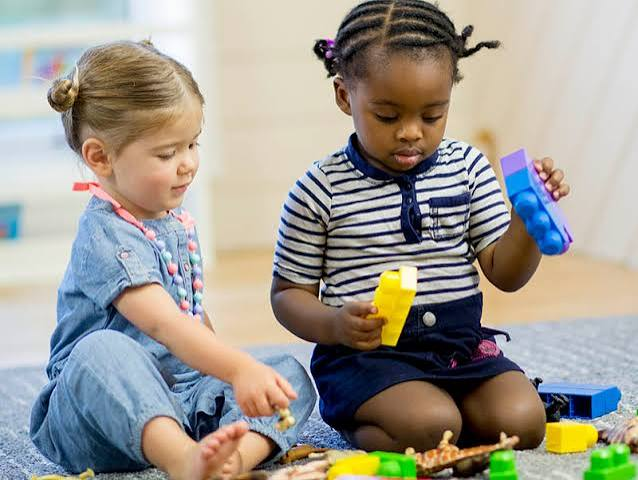
Developmental Stage 2: Early childhood (ages 3–5)
Social and Emotional Milestones
Children begin to:
- Identify basic emotions
- Develop friendships
- Practice sharing
- Show empathy
- Follow classroom routines
- Express feelings using words
- Begin managing frustration
Classroom Strategies
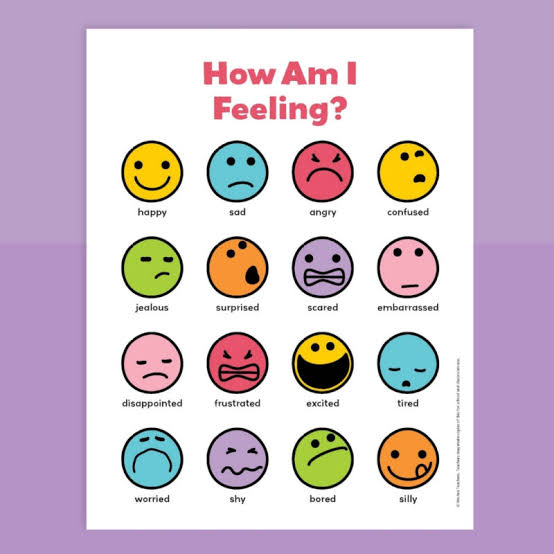
Emotion Check-In
Students identify their feelings using:
- Feeling charts
- Mood meters
- Emotion cards
This builds emotional vocabulary.
Cooperative Play
Activities include:
- Building projects
- Dramatic play
- Partner games
These encourage teamwork, communication, and problem-solving.
Home Strategies
Families can:
- Read books about emotions.
- Practice naming feelings.
- Use predictable routines.
- Model calm problem solving.
- Praise kindness and cooperation.
Our adolescence programs
Explore our programs designed to support adolescents through their developmental journey, focusing on crucial social-emotional skills for their transition to adulthood.
Social and Emotional Milestones
Adolescents typically:
- Develop identity
- Seek independence
- Strengthen friendships
- Increase empathy
- Experience stronger emotions
- Improve decision-making
- Build self-awareness
Mental Health Matters
Adolescence is also a time when anxiety, depression, self-harm, and suicidal thoughts may emerge. Teachers should recognize warning signs and connect students with counselors and support services when concerns arise.
Classroom Strategies
Restorative Circles
Students discuss:
- Conflicts
- Emotions
- Problem solving
This promotes respectful communication and belonging.
Reflection Journals
Students regularly reflect on:
- Emotional challenges
- Goals
- Coping strategies
This increases self-awareness.
Home Strategies
Families should:
- Keep communication open.
- Listen without judgment.
- Encourage healthy friendships.
- Monitor social media use.
- Watch for changes in behavior.
- Seek professional help if warning signs of depression or self-harm appear.
Empowering teens


The science of self-regulation
What is Self-Regulation?
Self-regulation is the ability to recognize and manage emotions, behaviors, and attention appropriately in different situations.
Examples
- Taking deep breaths when frustrated
- Waiting patiently for a turn
- Asking for help instead of yelling
- Walking away from conflict
- Using positive self-talk
How Teachers Can Encourage Self-Regulation
Model Calm Behavior
Teachers should model:
- Deep breathing
- Positive self-talk
- Respectful communication
- Problem solving
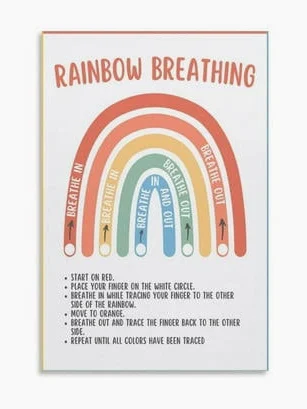
Teach Calming Strategies
Introduce:
- Mindfulness
- Breathing exercises
- Calm-down corners
- Stretch breaks
Use Consistent Routines
Predictable schedules help students:
- Feel safe
- Reduce anxiety
- Manage transitions
- Develop independence

Family resources
Growing Strong Minds offers a wealth of resources, including articles, guides, and practical tips, designed to empower parents and educators in their journey to foster social and emotional learning.
Supporting SEL at Home
Families can strengthen SEL by:
- Eating meals together.
- Reading stories about emotions.
- Playing cooperative games.
- Modeling respectful communication.
- Practicing gratitude.
- Encouraging children to solve problems independently.
- Limiting excessive screen time.
- Maintaining consistent routines.
When school and home work together, children develop stronger emotional skills and healthier relationships.

Join our community today
Social-emotional learning begins before birth and continues throughout childhood and adolescence. By intentionally teaching emotional awareness, self-regulation, empathy, and healthy communication, educators and families can work together to help children become resilient, compassionate, and successful learners.
Growing Strong Minds is more than just a resource; it is a community dedicated to nurturing the emotional intelligence of future generations. Join us in our mission to cultivate strong, resilient minds from before birth through adolescence. Together, we can build a brighter future for every child in Seabrook, Texas, and beyond.
Our programs and support
We offer a range of programs and resources tailored to different developmental stages and needs. Whether you are a parent, caregiver, or educator, we have tools to help you support the social and emotional growth of the children in your care.
For expectant parents
Prepare for parenthood by understanding how to nurture your baby's emotional development right from the start. Our resources provide insights into early bonding and communication.
Infant and toddler development
Discover strategies to support your little one's emerging emotions and social interactions. Our programs focus on playful learning and responsive caregiving.
Childhood growth
Help your child develop crucial social skills, emotional regulation, and resilience during their school years. We provide guidance for navigating friendships and challenges.
Adolescent empowerment
Equip teenagers with the tools they need to manage stress, make responsible decisions, and build strong identities as they transition into adulthood.

Resources for parents and educators
Growing Strong Minds offers a wealth of resources, including articles, guides, and practical tips, designed to empower parents and educators in their journey to foster social and emotional learning. We are committed to providing accessible and actionable information.
Centers for Disease Control and Prevention. (2024). About adverse childhood experiences. https://www.cdc.gov/aces
Collaborative for Academic, Social, and Emotional Learning. (2025). What is SEL? https://casel.org
Santrock, J. W. (2024). Life-span development (19th ed.). McGraw Hill.
Our commitment to the community
Located in Seabrook, Texas, Growing Strong Minds is dedicated to enriching our local community by supporting families and schools. We believe that by investing in social and emotional learning, we contribute to a healthier and more compassionate society.

I feel so much more prepared for my baby's arrival thanks to the guidance from Growing Strong Minds.
— Sarah P., Parent
I feel so much more prepared for my baby's arrival thanks to the guidance from Growing Strong Minds.
— Mark T., Educator
I feel so much more prepared for my baby's arrival thanks to the guidance from Growing Strong Minds.
— Jessica L., Expectant Parent
Connect with us
Our Seabrook location
Growing Strong Minds
123 Learning Lane
Seabrook, Texas, 77586
Email: ensaenz33@gmail.com
Phone: (281) 123-5432
Create Your Own Website With Webador